

Your cart
There are no more items in your cart
- 12149 views
What is cubic zirconia?
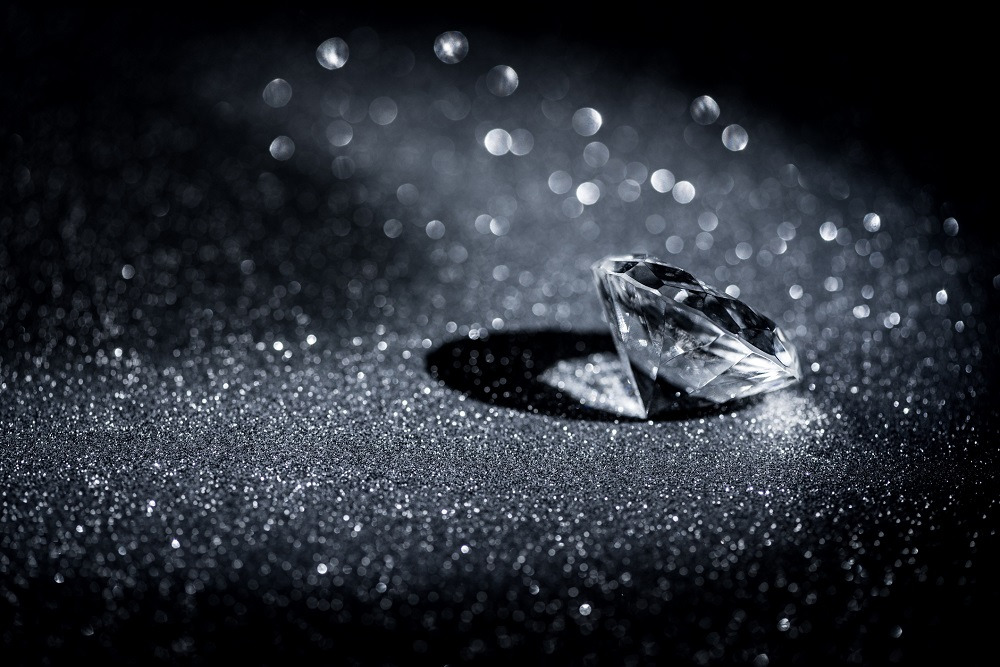
Everyone knows what a brilliant-cut diamond is: a diamond cut to maximize sparkle and brilliance. Cubic zirconia, on the other hand, is not natural. It is created by melting zirconium oxide and yttrium, producing a synthetic gemstone that closely resembles a real diamond.
It has impressive brilliance and high visual quality. An untrained eye – and sometimes even professionals – may struggle to distinguish it from a diamond. Its purpose was to offer a more affordable alternative to diamonds while maintaining beauty and elegance. Cubic zirconia is usually colorless but can be manufactured in almost any shade.
Hardness of diamond vs. cubic zirconia
Although they look the same at first glance, there are ways to tell them apart. Diamonds are natural minerals and rank the highest on the Mohs hardness scale (10/10), meaning they are virtually impossible to scratch.
Cubic zirconia, however, has a hardness of 7.5–8.5, making it less resistant. Scratching tests can damage jewelry, so it’s safer to rely on other methods at home.
Origin
Cubic zirconia is synthetic, produced in laboratories. Diamonds are natural, formed from carbon under extreme heat and pressure over millions of years deep underground. To become a brilliant-cut diamond, the raw stone must be expertly cut and polished.
Clarity and brilliance
The most popular way to distinguish them is the light test. In sunlight, cubic zirconia sparkles with all the colors of the rainbow, while a diamond reflects mostly white light, with occasional gray, orange, or red tones.
Another method is the transparency test: if you place an unset cubic zirconia on printed paper, the letters will be visible through it. A diamond, however, bends light and blurs the print.
The fog test can also help: when you breathe on a cubic zirconia, condensation lingers briefly, whereas a diamond stays clear. And when exposed to the sun, cubic zirconia warms up and holds heat, while a diamond remains cool.
