

Your cart
There are no more items in your cart
- 8946 views
At what age can children have their ears pierced?
There is no clear-cut answer regarding the minimum age, as it depends on parental beliefs and medical advice. Some specialists say it can be done in infancy, while others recommend waiting until the child can decide for themselves.
However, the younger the child, the greater the risk of complications such as infections or allergies. If parents decide on an early piercing, it is essential to consult the child’s doctor and take every precaution beforehand.
Is it worth piercing children’s ears?
The decision should weigh pros and cons. On the one hand, earrings are an aesthetic ornament that can enhance beauty and boost confidence, especially for older children who understand such adornment. For infants, however, the choice is mainly a parental whim.
On the other hand, ear piercing is an invasive procedure that can cause unnecessary pain, infections, or allergic reactions. Healing may also take longer. Therefore, parents should carefully consider whether the benefits outweigh the potential risks.
How to make ear piercing safe for children?
If you decide to pierce your child’s ears, safety must come first. Choose a professional studio that follows strict hygiene standards and uses high-quality equipment.
Proper aftercare is also crucial. Follow the instructions given by a doctor or specialist both before and after the procedure. The wound should be cleaned regularly with appropriate solutions to promote healing. It is also important to monitor the pierced area and replace earrings with clean, hypoallergenic ones.
Which piercing methods are best for children?
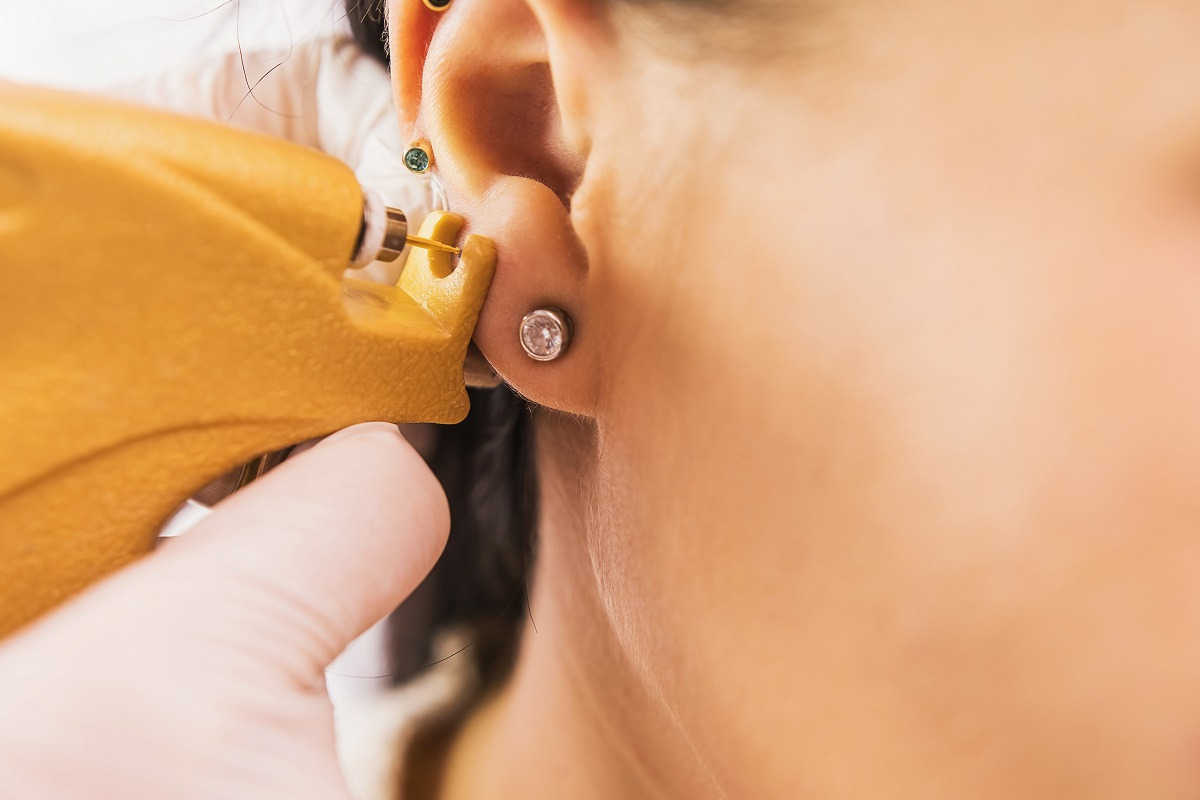
Several methods exist, but not all are suitable for children. Piercing guns should be avoided as they tear the skin, making the process painful and healing more complicated.
The needle method is safer and less invasive: the needle glides smoothly through the skin, making a clean cut. It is also important to check that the piercer is qualified and experienced.
What materials should children’s earrings be made of?
The choice of earrings is key to a child’s safety. Avoid low-quality materials that can trigger allergies or infections. The best choices are surgical steel or silver, often hypoallergenic and more resistant to bacteria.
Shape and size also matter. Large or heavy earrings should be avoided as they may weigh down on small ears and cause discomfort. Small, lightweight, simple designs are best. Screw-back fastenings are especially recommended, as they are safer and harder to lose.
